

Jun 25, 2026, 10:55 AM CT
Share


The Silence Around Black Femicide: What We Still Refuse to Confront!
Conversations around Black femicide have begun to surface more prominently in recent weeks. Articles are being written. Panels are being convened. Data is being cited. And while all of that is necessary, it is still not sufficient.
Because what continues to be missing from much of this discourse is not just what is happening, but why it continues to happen, particularly within the cultural, relational, and psychological realities of Black communities.
As a Black woman and as someone who has experienced partner violence, I read many of these analyses with both appreciation and pause. Because while the intention is there, the full truth still feels…held back. And if we’re going to talk about our safety, we have to be willing to tell the whole story, even the parts that make us uncomfortable.
The Protection of Black Men…At the Expense of Truth
One of the most difficult dynamics to name is the informal, yet deeply embedded, code of protection among Black men.
I understand where it comes from. We all do. In a society that has historically criminalized, misrepresented, and dehumanized Black men, there is a deep instinct to protect one another, to preserve dignity, reputation, and standing.
But somewhere along the way, that protection stopped being discerning.
Because what happens when that same instinct is extended to behavior that is harmful?
What happens when protecting each other also means not wanting to hear our truth?
Too often, when Black women speak about harm inflicted by Black men, the response is not accountability…it’s discomfort. It’s dismissal. It’s silence. It’s, “I don’t want to be in the middle of that.” Or, “That’s not the man I know.”
And if we’re being honest, sometimes it’s more than that.
Sometimes it’s, “I don’t want to know that about him.”
Because knowing would require something.
It would require reevaluating friendships.
It would require confronting someone they respect.
It would require reconciling the image of a “good man” with behavior that isn’t.
And that’s a cost many are not willing to pay.
So instead, the truth gets avoided…and the woman telling it becomes the disruption.
The Cost of Silence…for Black Men Too!
But this silence doesn’t just harm Black women. It also has a cost for Black men themselves.
When men choose not to hold other men accountable, especially men they admire, respect, or model themselves after, they are not just protecting them. They are reinforcing a culture where harmful behavior goes unchecked.
And over time, that becomes normalized.
It creates environments where:
Disrespect is minimized.
Emotional harm is dismissed.
Control is reframed as “passion.”
And accountability is seen as betrayal.
It also places Black men in an impossible position internally.
Because many of them know.
They’ve seen the behavior.
They’ve heard the stories.
They’ve witnessed the patterns.
But acknowledging it would require them to challenge men they are connected to, and in doing so, potentially disrupt their own identity, their own circle, and their own understanding of what it means to be a “good man.”
So, they stay quiet.
And in that silence, they become complicit in a system that ultimately harms everyone, including themselves.
Because a culture that does not require accountability does not produce safety.
It produces tolerance for harm.
“Stay Out of Folks’ Business”: The Cultural Cover for Inaction
We also have to talk about the cultural norm of “staying out of folks’ business.”
Let’s be honest…that’s not always about respect.
Sometimes it’s about avoidance.
People see. People know. People hear things that don’t sit right. But stepping in feels like stepping into conflict, and conflict feels too risky to engage in.
So, the narrative becomes:
“That’s between them.”
“I don’t know what really happened.”
“I’m not getting involved.”
But harm does not require certainty to be interrupted. It requires the courage of folks to listen and, if needed, to act.
And when a community consistently chooses distance or disconnection over intervention, it creates a tacit permission structure that allows harm to continue.
Not hidden…but unchallenged.
The Burden of Rehabilitation: Loving Through Harm
Then there is the expectation that Black women will hold it all together.
That we will keep loving Black men through their trauma.
That we will be patient with their healing.
That we will endure while they “work on themselves.”
We are taught this in subtle ways and direct ways. Through conversations, through culture, through what we see modeled.
And so, what we keep hearing is:
“He’s trying.”
“You know where that comes from.”
“Just give him time.”
“He’s getting better because of you, just hang in there”
And so… we stay.
We stay in relationships that chip away at our self-esteem.
We stay in situations that make us question ourselves.
We stay while waiting for potential to become reality.
But what is rarely taught, rarely even suggested, is that Black men should extend that same grace in reverse to us.
Men are not taught to stay in relationships where they are being emotionally diminished, disrespected, or harmed while a woman “figures herself out.” In fact, they are often encouraged to leave.
So again, we are left with the imbalance:
Women are taught to endure.
Men are taught to disengage.
And over time, endurance becomes expectation.
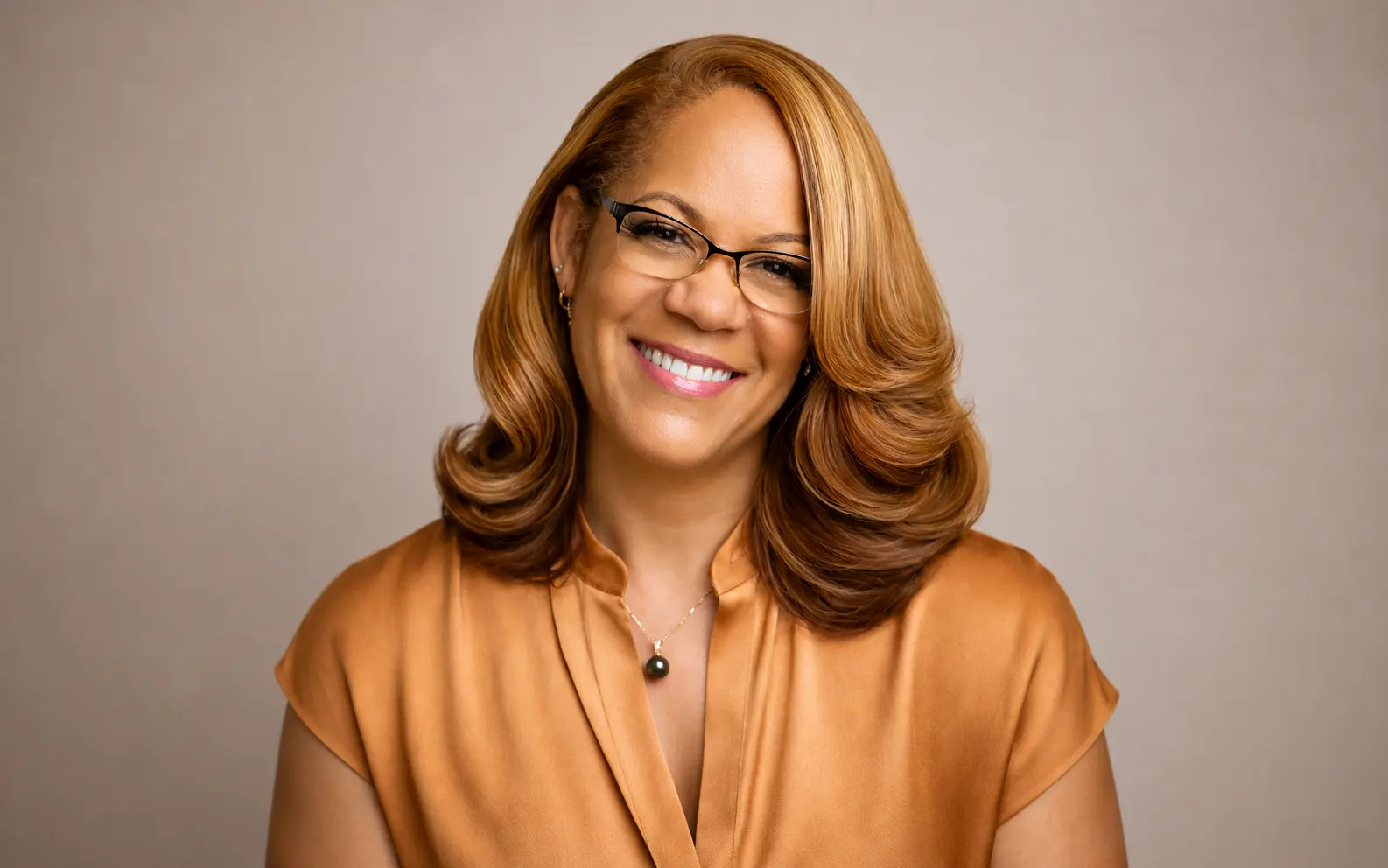
Carolyn Spearman Davis, Ph.D., CMPC®
(She, Her, Hers)
Founder & Clinical Director
SPEARMind Therapy and Sport and Performance Consulting, LLC
Past-President | Sec II. Performance Psychology
APA Division 47: Society for Sport, Exercise, and Performance Psychology
Co-Chair | Nominations/Leadership Development Committee (NLDC)
Association for Applied Sport Psychology
Website: www.spearmindwithdrcarolyn.com


