



The audio in this story also aired on 89.7 WUWM Milwaukee’s NPR.

The day started out well enough. My family celebrated my nephew’s birthday with a tailgate at the Brewers game. It was sweltering hot with temperatures in the 90s.
We were actually relieved when it started raining on and off shortly before we walked into the stadium. Little did we know what was to come.
As the game got into the later innings, the crescendo of rain pounding the stadium’s roof picked up. It was pouring. We decided to leave around the seventh inning, hoping to beat the traffic out and get the soaking over with.
‘It happened so fast’

Unsurprisingly, on a day where things would start great and end horribly, my car didn’t start. With rain now pounding down on me, I tried jumper cables. No luck. Soaked to the bone after hours in the pouring rain we finally got the car and ourselves home.
I felt relieved after changing out of my drenched clothes and thought it was finally time to relax after a long day. That’s when the real nightmare started.
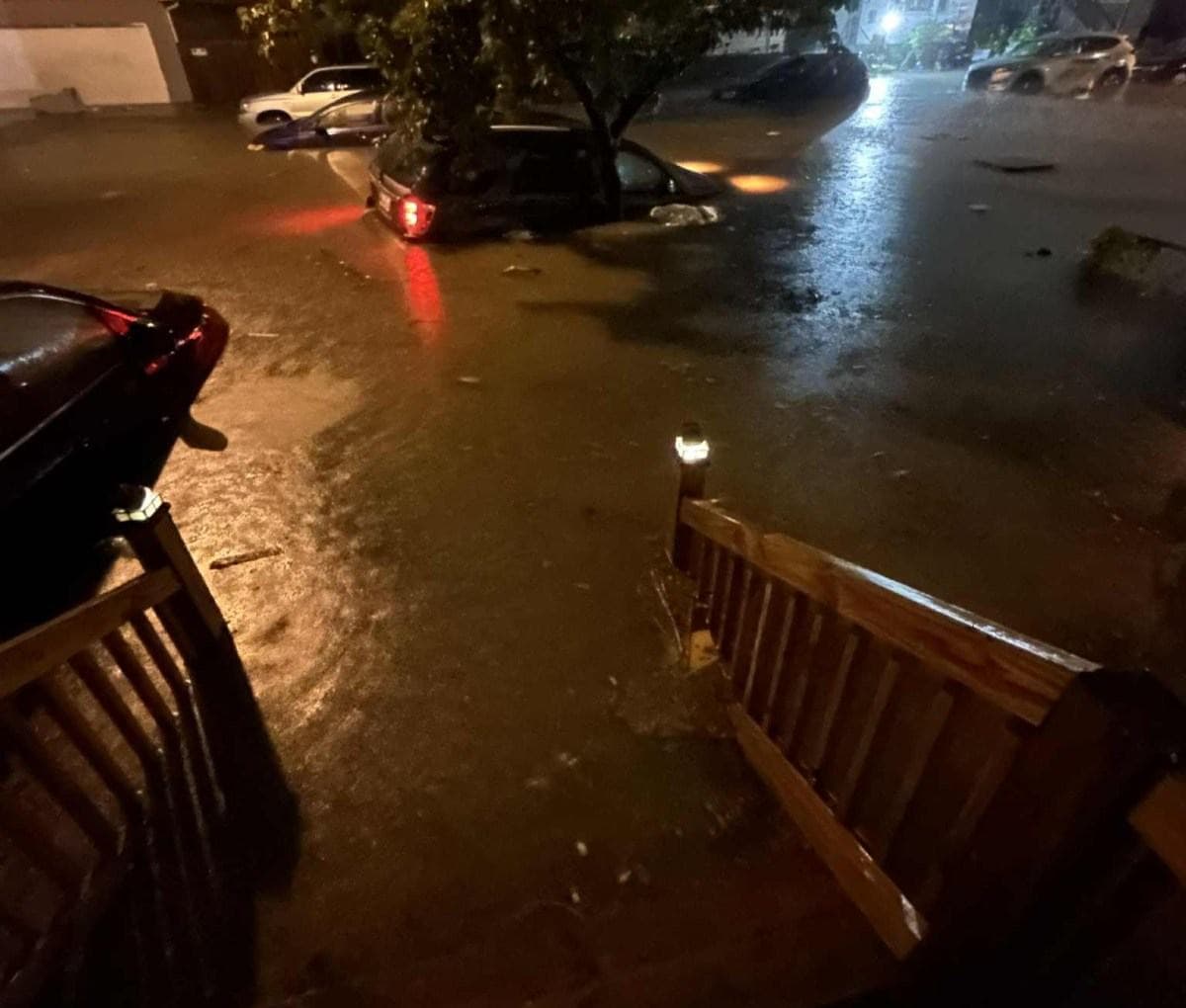
My fiancée looked out the window and in a panic yelled that our cars were flooding. By then, it was too late. It happened so fast.
I watched in shock and desperation as rain and waves of water filled my car, and even lifted my son’s truck from the front of the house onto the sidewalk. It was surreal. Those who had the bad fortune of trying to drive through my South Side block immediately got stuck.
Then our focus turned to the basement. We only made it halfway down the steps before we knew that a bad situation was growing more dangerous. With rain continuing to cascade, water levels in the street and my basement rose.
The flood in the basement, which by then was already several feet high, was growing fast and showed no signs of slowing.
As the feverish rain continued, I moved from the front of the house to pray for it to stop, and then to the basement where I prayed the water wouldn’t reach the main floor. It was now less than one foot away from entering the main floor.
The rain finally stopped
Miraculously, or maybe God heard our prayers – inch by inch – the water in the basement started to go down. We felt more relief when news reported that the worst of the rain had passed.
We found solace knowing that no one was hurt.
The next day we started to take inventory of all that was damaged. Most importantly was the lost sense of safety and security we felt in our home.
For us the long recovery process was just beginning. For many others, it never stopped. We had resources and got help from others.
Many struggled to find help

Not everyone got the help they needed. Many still haven’t replaced crucial items that they lost either in August or in April when floods hit again. Many people in my South Side community were not eligible for aid from FEMA, or didn’t know how to access it.
I know this to be true because just the other day I spoke to a neighbor to ask if they applied for federal aid for the April flood damage. She replied that there was no aid available this time.
I assured her there was and offered to help her with any questions she had. It’s proof that many in the community lack crucial information when things like floods happen.
Reflecting and looking ahead

Looking back a year from the August flood, I’ve also contemplated the bigger picture when it comes to disasters. Sadly, they’re becoming more common as weather becomes more and more volatile.
Whether it’s damaging winds, flooding, or tornados, these severe weather events have life-changing effects. The real question is what can be done to prepare for them? What can be done to prevent them?
It’s a question that will need many answers to. Thankfully, many in the community are not sitting around and waiting for official answers. They’re organizing events like the Milwaukee Justice Strategy Blitz, which brought together affected residents and other stakeholders to discuss organizing behind policy solutions to help communities build resilience and create change before the next severe weather event.
Groups like Flood Hope 500 are also pushing for change and hitting the streets to help residents. The city and county have created a Flood Mitigation Task Force.
Still, preparing for the next flood will take resources, investment in infrastructure, better planning and much more support for residents.
The question is, will we be ready next time?

Jonathan Aguilar is a visual journalist at Milwaukee Neighborhood News Service who is supported through a partnership between CatchLight Local and Report for America.


